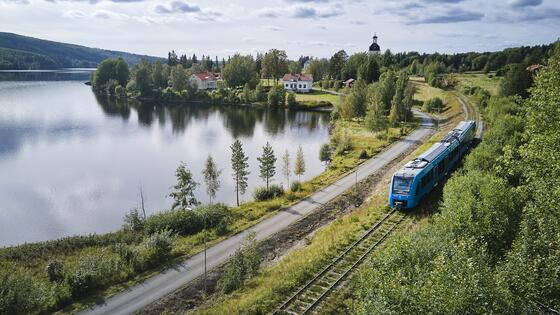
Rail is a cornerstone of Sweden’s infrastructure and is central for the country’s economic development, regional cohesion, and ongoing climate transition. But the rail sector faces several challenges. Sharp increases in passenger numbers and a growing need for sustainable freight transport place higher demands on capacity, punctuality, and efficiency. Sweden is facing major infrastructure investments, and during the 2026–2037 planning period rail will be given higher priority – not least to strengthen reliability.
Based on five areas of improvement – punctuality, capacity, outdated infrastructure, skills development, and innovation – Alstom has identified five proposals to maximize the impact of upcoming infrastructure investments:
· Increased collaboration delivers more railway for less money: Stronger cooperation between the industry and authorities increases speed and optimizes the construction processes in the upcoming national plan.
· Let the experts accelerate the rollout of ERTMS nationwide: Harness industry expertise for faster implementation of the digital signaling system ERTMS, which enhances punctuality, capacity, and safety.
· Modernize procurement and financing models: Use new methods to streamline railway construction and maintenance, and improve opportunities for public–private partnerships.
· Leverage and develop skills within the railway sector: Educational initiatives at all levels are needed to meet today’s and tomorrow’s skills requirements in the industry.
· Greater focus on research and innovation: Promote technological development and innovations that can strengthen the railway’s role in a sustainable transport system. The rail industry has both the expertise, and the solutions needed to put today’s infrastructure in order – and Alstom wants to be a driving force in the work ahead.