


Artificial Intelligence onboard that protects wildlife along the tracks
Each year, the Swedish Transport Administration reports around 5,000 wildlife collisions on the country’s railways, which equals nearly 14 incidents per day. In addition to significant suffering for the animals, these accidents cause train delays, high costs for society, and damage to trains and infrastructure.
Traditional methods have not been sufficient to address the problem. That is why new and innovative solutions are needed.
The question is, can we propose a more efficient solution?
At Alstom, we believe there’s a better solution inspired by nature itself - herding, a practice developed thousands of years ago. This approach is not just an idea; it combines advanced vision systems, a trained brain (intelligent algorithms), and tailored repellent acoustics to create an effective method for managing wildlife.
Alstom is committed to introducing this technology to the railway industry. This innovation initiative is being led by the Innovation Station in Stockholm, where we are currently validating the concept in collaboration with our partner Flox, and our customers TiB and VR.




Innovative tests in Sweden
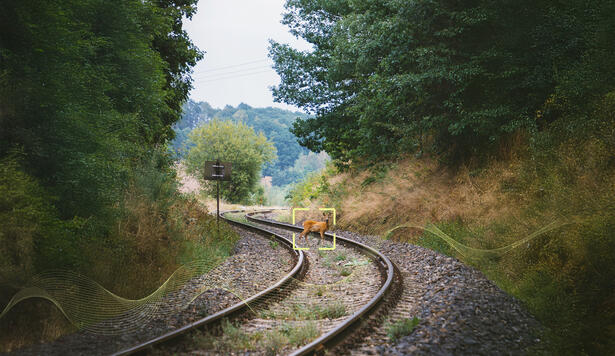
Together with Alstom, Tåg i Bergslagen, operator VR, and Flox, the first AI-driven field tests in the Nordics are now being carried out to reduce wildlife collisions. Using advanced AI-powered cameras, animals can be detected in real time, and species-specific sound signals guide them away from the tracks before an accident occurs.

Towards a sustainable future
With support from Vinnova, the project marks an important step forward in achieving both Sweden’s and the EU’s goals for sustainable and safe transport. The aim is clear: safer journeys, protected wildlife, and a more resilient railway. Without fences and without downtime.

