Resilience in railways: the art of developing future-proof trains in an uncertain world
Resilience in railways: the art of developing future-proof trains in an uncertain world
How does Alstom ensure that the trains it builds and maintains are fit for purpose well into the future? Anticipating geopolitical and environmental difficulties, and their knock-on effects, is built into the way Alstom operates, says Bart Vantorre, VP Components at Alstom.
What do you consider ‘resilience’ to mean in rail terms?
BV: For Alstom, resilience means being ready for whatever happens in the world around us and being able to ensure that our customers’ operations can continue. Today, we live in a very volatile and uncertain world, geopolitically and environmentally, and this has an impact on our everyday lives, affecting our business and our customers’ businesses. For this reason, Alstom, and particularly in my area of components, has been looking over several years at different areas where events or volatility can impact us, and what we can build into our technology, components and trains to protect our customers as much as possible from the unexpected.
Could you give examples of where the global situation has directly affected components and how Alstom has reacted?
BV: There are several areas. Let’s take supply chain volatility as an example.
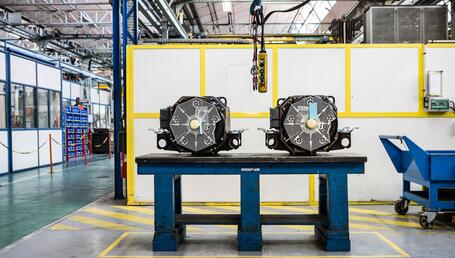
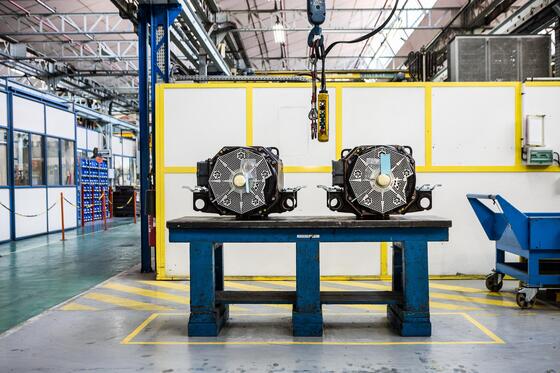
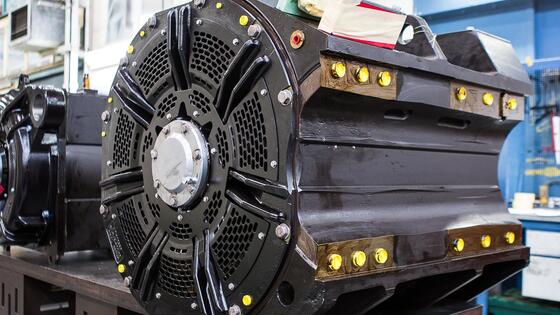
As a result of the trade disputes between the US and China, China at a certain moment in time decided to limit the export of rare-earth magnets, which we use in our traction motors. Or look at copper: prices are skyrocketing at the moment and producing components such as transformers is becoming increasingly expensive.
Therefore, we have been studying the use of different kinds of permanent magnets and in traction motor technologies, limiting the use of permanent magnets but delivering the same performance and thus reducing our use of rare-earth metals, and we have developed transformers that can use aluminium instead of copper, which, besides reducing cost, also provides a substantial weight benefit. These are typical examples of the way in which we anticipate problems and work on other solutions that we can offer our customers.

Geopolitical instability has also led us to develop our supplier network. In the past, we may have had one preferred supplier for a component. Now we are looking at having suppliers in each of the different continents we serve. This means that if one country blocks imports from another, we have a supplier nearby that we can rely on: in other words, we have global products and technology, but we can produce them locally, as much as possible.
How does Alstom help customers to mitigate the effects of climate change?
BV: Environmental resilience is a big area for us.
Average global temperatures are increasing and this affects several components on a train. We have started designing our electronic components to higher temperature class grades than we did in the past, to ensure our trains can cope and reliably operate in higher temperatures.
For countries such as India, where monsoon rains are becoming heavier, we have come up with underframe-mounted traction equipment that allows trains to reliably operate under monsoon water levels on the tracks!
In general environmental terms, we are looking at using much more recycled material, e.g. copper and steel, in our trains and components. As many countries switch from diesel trains to battery-powered trains, we have also been involved in a network of partners to recycle those batteries when they reach end of life.
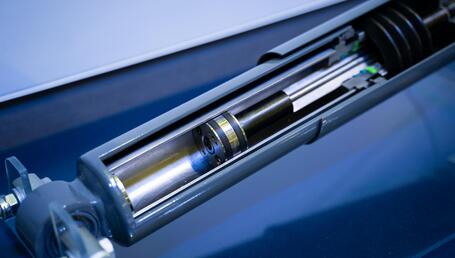
We also innovate to make our products more durable by design. For example, in Sweden, on the SJ X 2000 fleet, our brake discs can be replaced after 1,500,000 km instead of every 300,000 km with the previous solutions.

Are there other areas that affect the resilience of trains?
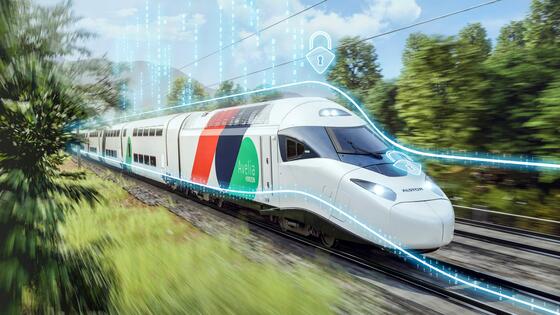
BV: Protection against cyber-attacks is another area – no operator wants somebody to hack into the traction or braking system, or even the onboard information system. We need to keep up with the latest standards.
This also leads us into the whole world of services and maintenance, where Alstom, through its Services organisation, can ensure existing trains are kept up-to-date with the latest technologies and standards. Supported by AI and digitalisation, our Service teams are driving predictive maintenance regimes, so we are changing components only when they need to be changed, increasing the lifetime of components and ultimately increasing the availability of the trains and reducing the costs of operation. We also innovate to make our products more durable by design. For example, in Sweden, on the SJ X 2000 fleet, our brake discs can be replaced after 1,500,000 km instead of every 300,000 km with the previous solutions, with no safety or lifecycle concerns reported since the contract began in 2015.
How do you prepare for future innovation?
BV: This is an important part of resilience, as customer demands evolve over the lifetime of trains. For example, there is an expectation from customers today in terms of connectivity that they didn’t have a decade ago. Passengers want to connect their computers and phones and work in comfortable surroundings on the train. We need to be able to offer solutions or add-ons that meet customer expectations without completely changing the train. Solutions we sell today need to have flexibility embedded already, ready for future technology and future demands.
What sets Alstom’s Components business apart in terms of resilience?
BV: Alstom has an enormous installed base – our trains are running all over the world. In addition, we have a huge Services organisation, so we have people day-to-day in the depots listening to our customers and understanding their problems, needs and expectations for the future. We have a structured way of incorporating this feedback into the design of new technology and products. Other companies may do this, but in a reactive way, whereas we invest considerable sums in R&D, we know the issues our customers are facing and 80% of the time, we have anticipated their needs and already have the solutions available. The greatest value that Alstom brings is this attitude of listening to our customers, anticipating and preparing solutions and bringing them forward when our customers need them.