Every morning at 6 am, you board the metro from your home near the Punggol coast. You rely on it to get to Singapore’s central area. Like many commuters, you choose the train for its affordability and the reliability of the city’s well‑established public transport network.
As you descend into the platform, you recall a headline from last night: “The train of the future will be automated.” What does that even mean? But your thoughts are interrupted by the loud beep of closing doors. You don’t even try to catch the train that’s about to leave. They come so often nowadays. You’ve stopped thinking of them as “scheduled.” They just… arrive.
You settle in and pull out your phone: driverless metros have existed since the 1980s! You check your line: North East Line. Fully automated. You’re sitting in a driverless train right now.
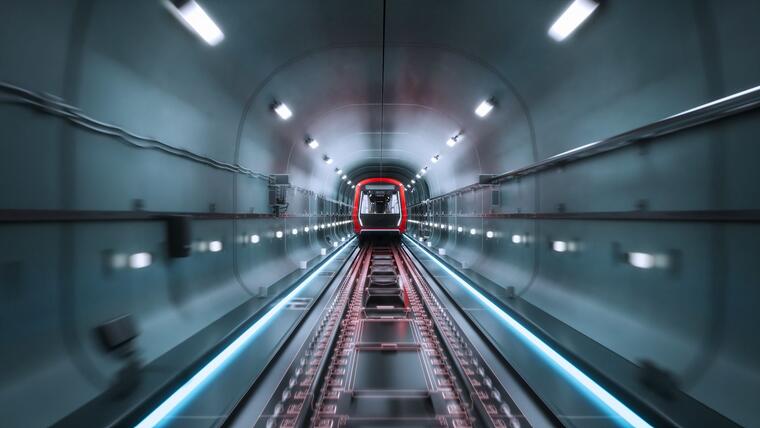
You walk through the long open corridor of the train, all the way to the cabin in the front. No driver - just a windscreen and the tunnel ahead. You return to your phone. As you scroll, maps, timelines, and entire lists of systems unfold - city after city, line after line, all running automated trains just like this.
It hits you: the train of the future is here.