Investing in tomorrow: The lasting impact of light rail systems
Investing in tomorrow: The lasting impact of light rail systems
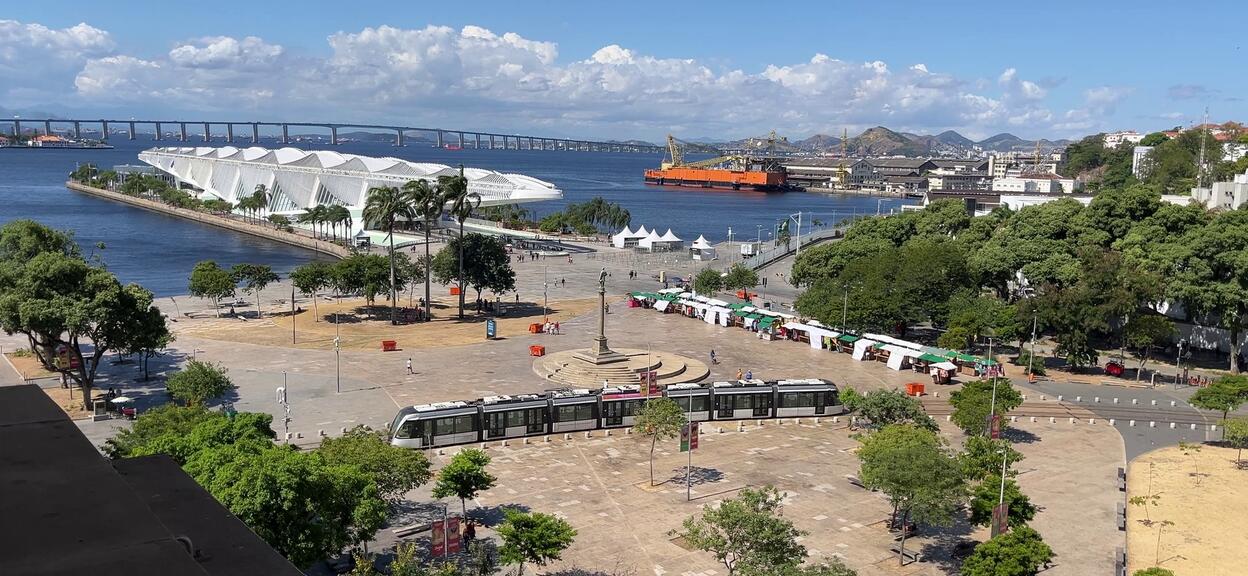
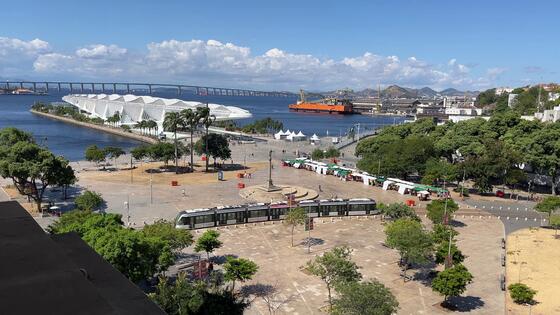
Citadis™ light rail system in Rio de Janeiro
Urbanisation is accelerating and makes sustainable public transport a necessity for inner-city mobility. Light Rail Vehicles (LRVs) deliver long-term value and unmatched sustainability compared to bus rapid transit systems (BRTs). Julien Chauvignat, Vice President of Alstom’s Light Rail Platform, highlights the key advantages of light rail systems.

Julien Chauvignat joined Alstom in 2014 after seven years in its former hydroelectric business. He has since led sourcing for global turnkey and infrastructure projects and managed procurement for the Europe region, before he became Vice President of the Light Rail platform in 2023.
Connect with Julien on LinkedIn
What does urban growth mean for mobility and public transport?
Julien Chauvignat: By 2050, nearly 7 out of 10 people will live in cities. The pressure is on to create sustainable, efficient public transport that keeps urban life moving. As cities battle congestion, pollution, housing shortages, and shifting travel habits, smart investment decisions matter more than ever.
For municipalities looking at medium capacity and city centre solutions, two options are often considered: BRT and LRVs. BRT may seem pragmatic - lower upfront costs, quick deployment, easy integration into existing roads. But when you look beyond the short term, light rail is the smarter choice. LRVs deliver lasting value through higher performance, safety and unmatched sustainability.

Why is light rail the smarter long-term choice?
JC: At first glance, LRVs may seem more costly, their capital investment is typically up to 2 times higher than BRT systems. But here’s the reality: they’re far more economical to operate. LRVs need fewer vehicles, fewer operators, and less maintenance, and they last over 30 years - more than double the lifespan of a bus.
When you factor in operational savings and environmental benefits, LRVs like Alstom’s Citadis™ can be up to 30% cheaper per passenger-kilometre. For municipalities managing tight budgets, that’s not just a smart choice - it’s a future-proof investment that pays for itself.
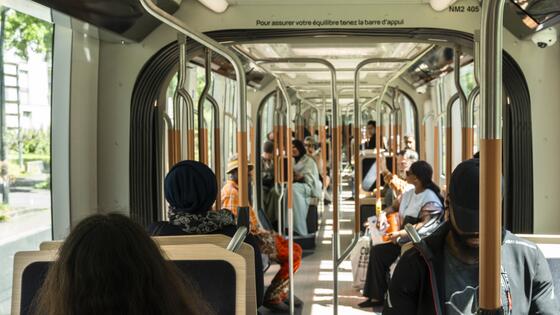
It’s not just about numbers: Citadis LRVs offer panoramic views, quiet interiors, and low floors for accessibility. Their design can be fully tailored to each city’s identity, from interior finishes to exterior contours and color palettes, ensuring seamless integration into the urban landscape.
Let’s talk about capacity, passenger experience and integration in cities. How do LRVs compare to BRT in these areas?
JC: Trams are in a league of their own when it comes to moving people efficiently. A single 45-metre tram can carry over 400 passengers. To match that, a BRT system would need four times as many vehicles, creating more congestion, higher on-street emissions, and soaring maintenance costs. BRT systems typically plateau at around 6,000 passengers per hour per direction (PPHPD), while light rail can scale up to 14,000 PPHPD and beyond by adding cars or adjusting train lengths.
It’s not just about numbers: Citadis LRVs offer panoramic views, quiet interiors, and low floors for accessibility. Their design can be fully tailored to each city’s identity, from interior finishes to exterior contours and colour palettes, ensuring seamless integration into the urban landscape. It’s no surprise, then, that trams often become beloved local icons - you can even find postcards from around the world proudly featuring them.
With Alstom’s Flexx™ bogie technology, passengers enjoy extra space and smooth rides, making public transport attractive and accelerating the shift toward sustainable urban mobility.

Safety is a top priority for cities. How do LRVs address these concerns?
JC: When it comes to urban mobility, safety is non-negotiable. That’s why LRVs are equipped with proven technologies like ODAS™ (Obstacle Detection Assistance System) and COMPAS™ (Collision & Overspeed Protection System). These advanced driver-assistance solutions monitor speed, detect obstacles, and prevent collisions, ensuring every journey is safe for passengers, pedestrians, and road users. In critical situations, the system can trigger alarms or even apply automatic braking.

Can you explain the sustainability advantage?
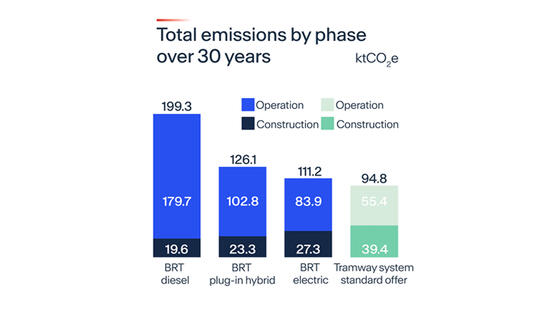
JC: On sustainability, LRVs have a clear edge. Even a fully electric BRT system produces up to 17% more lifetime CO2 emissions than a tramway - because achieving the same capacity as just 20 trams requires a massive bus fleet, resulting in 3.6 times more annual vehicle kilometers.
And sustainability doesn’t stop at performance: The Citadis portfolio is engineered for eco-efficiency: 95% recyclable, 98% recoverable components, and innovative traction solutions that deliver up to 15% energy savings.
What’s your vision for the future of urban transport?
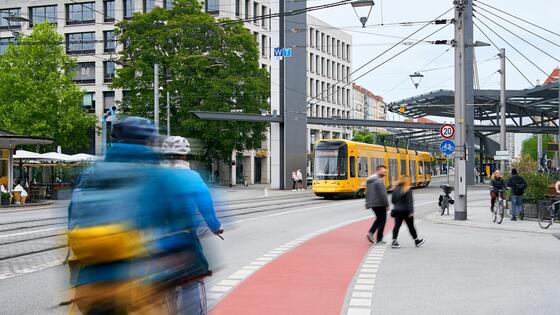
JC: The transport system a city chooses reflects its vision for the future. LRVs deliver more than mobility—they spark urban renewal, reduce emissions, and elevate quality of life. With the demand for green, inclusive infrastructure rising, light rail stands out as the smartest long-term investment. The key? Seamless integration with existing networks and minimising construction impact to keep cities moving forward. LRVs empower municipalities to invest not just in mobility, but in healthier, more vibrant cities for generations to come.