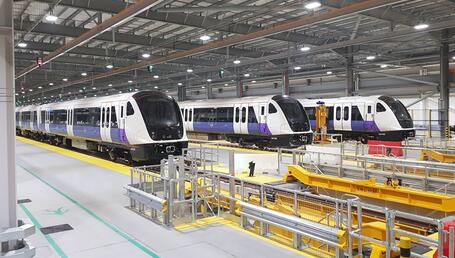
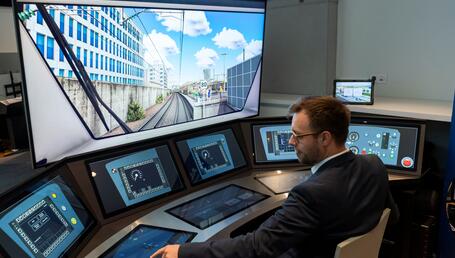
Cities and governments rarely get a second chance to make foundational mobility decisions. The assets selected today will set the rhythm of daily mobility, energy consumption, maintenance realities, passenger experience, and environmental impact for a long, long time.
In this context, it’s easy to see how rail is the best investment in mobility there is. A train’s lifespan is 30 to 40 years. They outlive cars, buses, and most commercial air planes. When a train is well designed and maintained, the investment pays off over decades of reliable service, stable performance, and controlled operating expenses
On the flip side, once a train enters service, it becomes a long-term partner. With decisions that shape performance for 30 or 40 years, there’s little room for guesswork. Every detail matters.
There may be no single definition of “perfect,” but in rail, our customers need trains that are reliable, efficient, and economical for life.
If procurement is a long promise, then value must be built-in, protected in operation, and renewed over time. That’s why at Alstom, we adopt a full lifecycle vision that starts with design, continues at service, is polished in maintenance, and evolves through modernisation.